Diagnostics That Find Root Causes
Electrical repairs and troubleshooting in Warrenville for circuit faults, panel issues, and code violation correction
Circuit failures and electrical faults require systematic diagnostic processes that identify the actual problem rather than replacing components until symptoms temporarily disappear. AA Electric Contractors diagnoses and repairs electrical issues across residential and commercial systems throughout Warrenville and surrounding areas with master-level expertise and two decades of troubleshooting experience. Warrenville's older housing stock commonly develops wiring faults from insulation deterioration, loose connections that create intermittent failures, and undersized panels that trip breakers under loads the original installation never anticipated.
Electrical troubleshooting begins with voltage testing at multiple points in the circuit to isolate where power loss occurs, load analysis to determine whether failures result from overcurrent conditions or actual faults, and circuit tracing through walls to locate junction boxes where connections may have loosened over decades of thermal cycling. Master electricians distinguish between nuisance trips caused by overloaded circuits and true fault conditions that indicate insulation breakdown or ground faults requiring immediate correction to prevent fire hazards.
Schedule a diagnostic evaluation to identify the source of electrical problems before attempting repairs that may not address underlying causes.
Why Proper Diagnosis Matters for Lasting Repairs
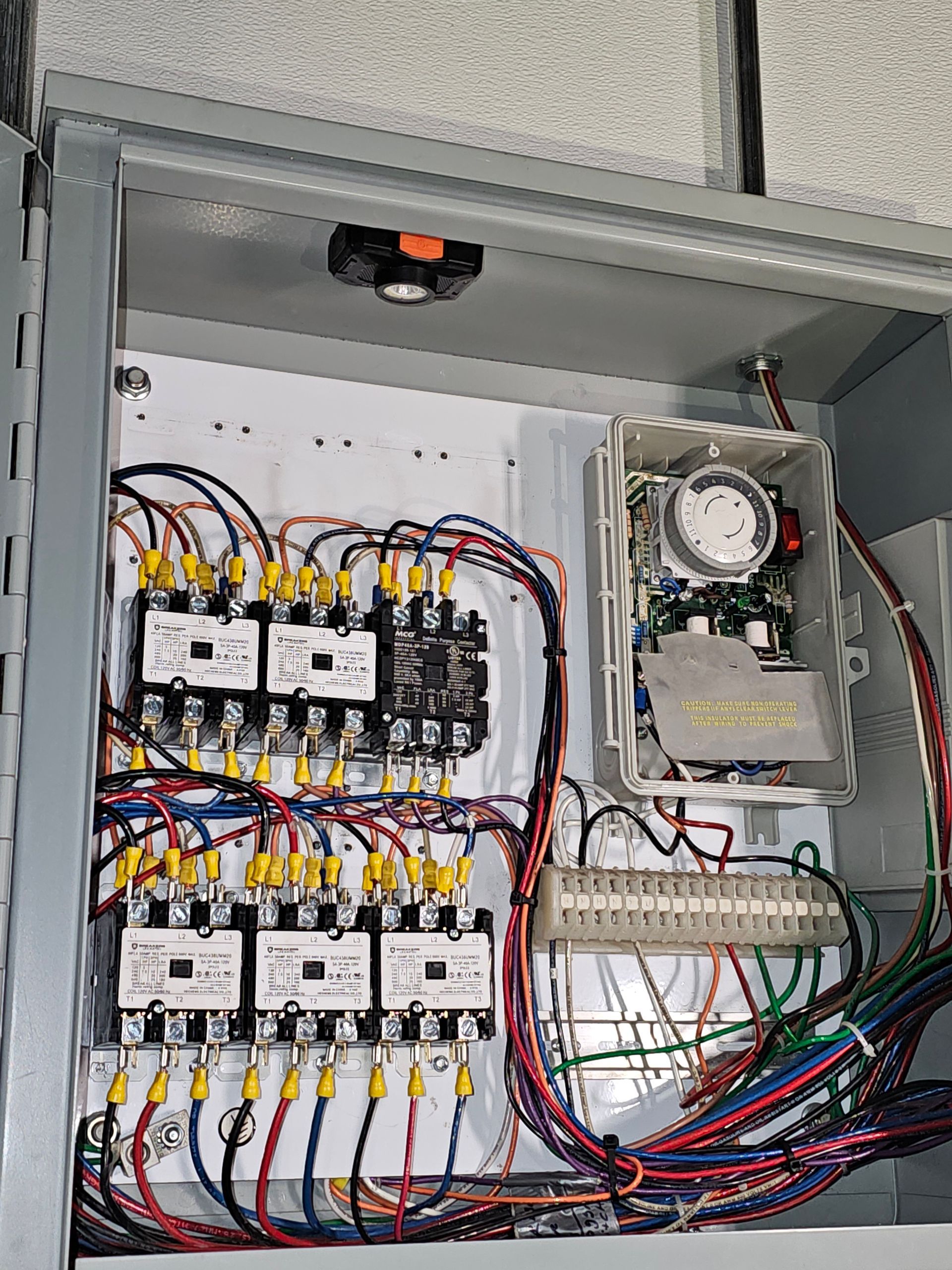
Effective troubleshooting requires testing voltage at the panel, at mid-circuit junction points, and at the device experiencing problems to determine whether the fault lies in supply, distribution, or connection integrity. Electricians use thermal imaging to detect hot spots indicating high-resistance connections, continuity testing to verify ground paths, and load measurements to identify circuits operating beyond rated capacity. This process reveals code violations like missing GFCI protection in bathrooms, improper wire gauge for circuit breaker ratings, and grounding deficiencies that create shock hazards even when circuits appear to function normally.
After electrical repairs are completed with proper diagnosis, circuits operate reliably under normal load conditions without recurring failures that suggest the actual problem wasn't addressed. You notice that lights stop flickering when appliances start, breakers stay closed during typical household activity, and outlets provide consistent voltage rather than intermittent power that damages electronics and causes appliances to cycle on and off unexpectedly.
Code-compliant repairs include upgrading wiring to current standards when violations are discovered, installing arc-fault and ground-fault protection where required, and documenting work with permits and inspections that remove liability from homeowners. Some repairs require opening walls to replace deteriorated wiring rather than simply resetting breakers or replacing devices at the end of failed circuits where symptoms appear but causes don't originate.
What Property Owners Usually Ask
Homeowners in Warrenville often need clarification about diagnostic processes, repair costs, and what causes common electrical problems in older homes.
What causes breakers to trip repeatedly?
Breakers trip when circuit current exceeds their rated amperage, which happens when too many devices operate simultaneously on one circuit, when motors draw high starting current, or when actual faults like short circuits or ground faults occur. Older homes in Warrenville often have insufficient circuits for modern appliance loads, causing overload trips that recur until loads are redistributed or additional circuits are installed.
How do electricians trace circuit problems through walls?
Circuit tracing involves turning off breakers systematically while testing for voltage loss, using tone generators that send signals through wiring to locate specific conductors, and identifying junction box locations where connections commonly loosen. In older homes, the electrician may need to open walls at suspected fault locations to inspect wire condition and connection integrity.
When should electrical problems be considered safety hazards?
Any situation involving visible sparking, burning smells, warm outlets or switch plates, flickering lights across multiple circuits, or frequent breaker trips indicates potential fire hazards requiring immediate professional evaluation. These symptoms suggest loose connections creating arcing, overloaded circuits, or insulation breakdown that can ignite surrounding materials.
What does code-compliant electrical repair include?
Code-compliant repairs use wire gauges rated for circuit amperage, include proper grounding and bonding connections, install GFCI and AFCI protection where current code requires it, and involve permit filing and inspection for work that affects branch circuit integrity or panel modifications. All repairs must meet National Electrical Code standards and local amendments.
How much does electrical troubleshooting and repair cost?
Diagnostic fees cover the electrician's time testing circuits and identifying problems, while repair costs depend on accessibility, material requirements, and whether code violations require upgrading wiring or panels. Simple repairs like replacing faulty devices cost less than running new circuits through finished walls or upgrading undersized panels to support modern household loads.
AA Electric Contractors provides master electrician diagnostic services and code-compliant repairs throughout Warrenville and the greater Chicagoland area. Call to schedule troubleshooting for electrical problems that require professional analysis and permanent resolution rather than temporary fixes.