Backup Power That Transfers Automatically
Generator installation and upgrades in Warrenville for residential, commercial, and industrial properties experiencing grid stress and occasional outages
Grid outages in Chicagoland—whether from summer storms or winter load spikes—leave properties without power for hours or days. AA Electric Contractors installs and upgrades standby and portable generators for residential, commercial, and industrial use, handling the full electrical integration from load analysis through transfer switch installation and final inspection. A properly sized generator requires accurate circuit calculation, code-compliant wiring away from the building envelope, and coordinated testing to confirm load transfer happens without delay or equipment damage.
The electrician starts with a load analysis to determine which circuits you need powered during an outage—whole-house backup requires larger generator output than selective circuit coverage. Based on that analysis, the technician sizes the generator, installs an automatic or manual transfer switch to code specification, runs conduit and wire safely from the generator pad to the service panel, and tests the system under actual load conditions.
Arrange an on-site consultation to review your critical load requirements and preferred generator placement.
How Generator Integration Addresses Power Loss
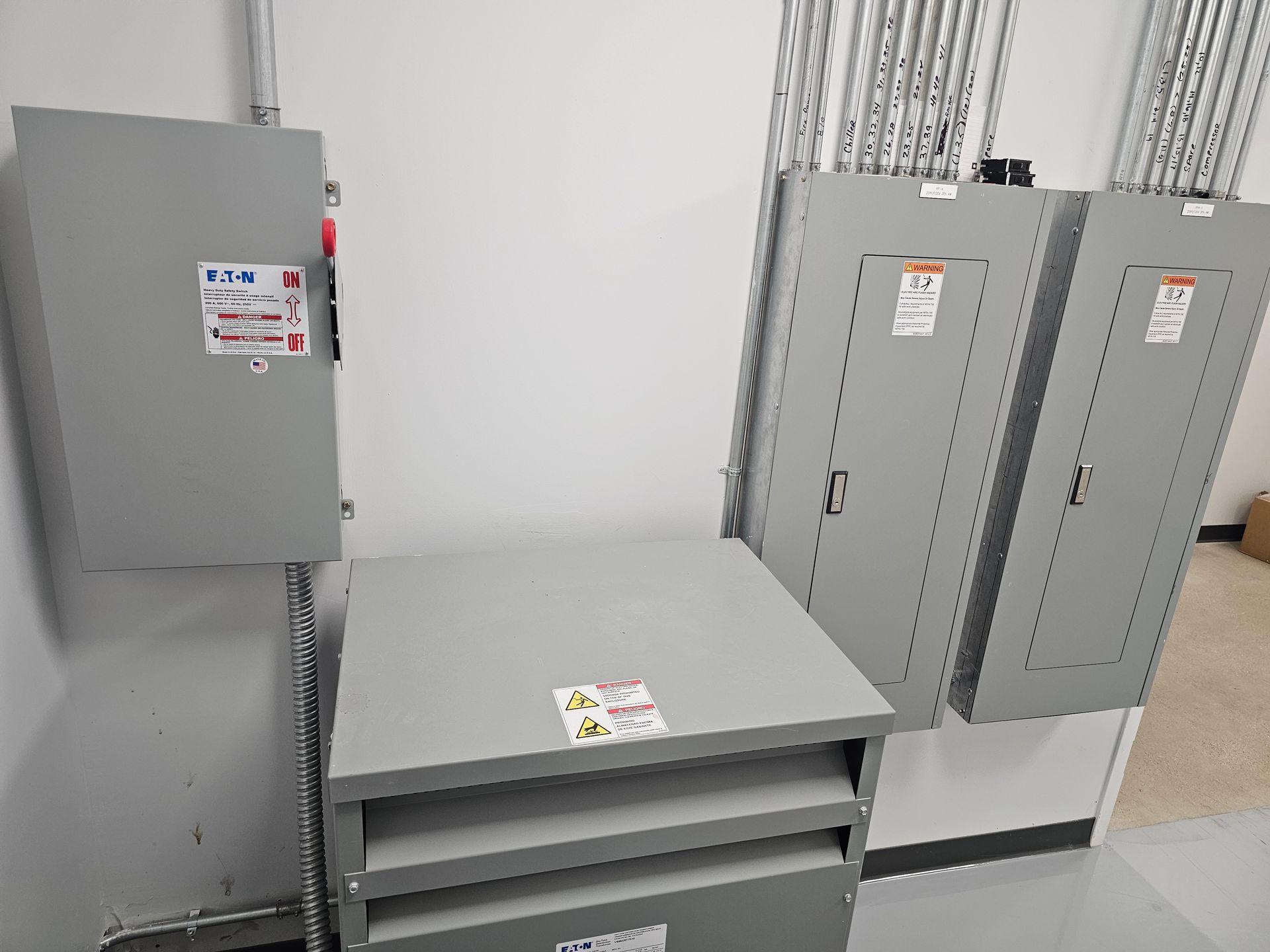
The transfer switch is the control point—it detects utility power loss, signals the generator to start, and shifts the load from the grid to generator output once stable voltage is confirmed. Automatic transfer switches complete this process in seconds, while manual switches require you to physically throw the lever. Either option must be sized to handle the full load being transferred and installed with proper clearance and grounding per electrical code.
Once the system is live, power returns to selected circuits within seconds of an outage, keeping refrigeration, heating, and critical equipment operational. You'll notice lights stay on, HVAC systems continue running, and sensitive electronics remain protected from the voltage spikes that often accompany grid restoration. The generator shuts down automatically when utility power stabilizes.
Installation includes transfer switch wiring, generator pad placement recommendations, and load testing to confirm proper operation. It does not include concrete pad construction, gas line extensions, or fuel tank installation—those trades coordinate separately. The electrician will identify any panel capacity or grounding issues during the assessment.
Common Questions About Backup Power Systems
Property owners in Warrenville and Aurora typically ask about generator sizing, fuel options, and how the transfer process actually works before moving forward with installation.
How do I know what size generator I need?
The electrician performs a load calculation based on the circuits you want powered—whole-house systems often require 20 to 25 kilowatts, while selective coverage may only need 10 to 15 kilowatts.
What is the difference between automatic and manual transfer switches?
Automatic switches detect outages and start the generator without any action from you, while manual switches require you to physically engage the transfer lever after starting the generator.
Why does the generator need to be a certain distance from the building?
Code requires generators to be positioned away from windows, vents, and doors to prevent exhaust gases from entering occupied spaces—minimum clearances vary by unit size and manufacturer.
What maintenance does a standby generator require?
Most units need annual oil changes, filter replacements, and load testing to confirm readiness—neglected generators often fail to start when needed.
How long does generator installation take in Warrenville?
Installation timelines depend on transfer switch complexity and wire run distance, but most residential systems are completed and tested within one to two days after the pad and fuel source are ready.
AA Electric Contractors handles all permits and inspections for generator installations across Chicagoland, backed by master-level licensing and 20 years in the electrical trade. Request a load analysis and detailed estimate for your property.