Grid Integration Done to Code
Solar panel installation in Warrenville for residential and commercial properties requiring DC wiring, inverter integration, and utility interconnection
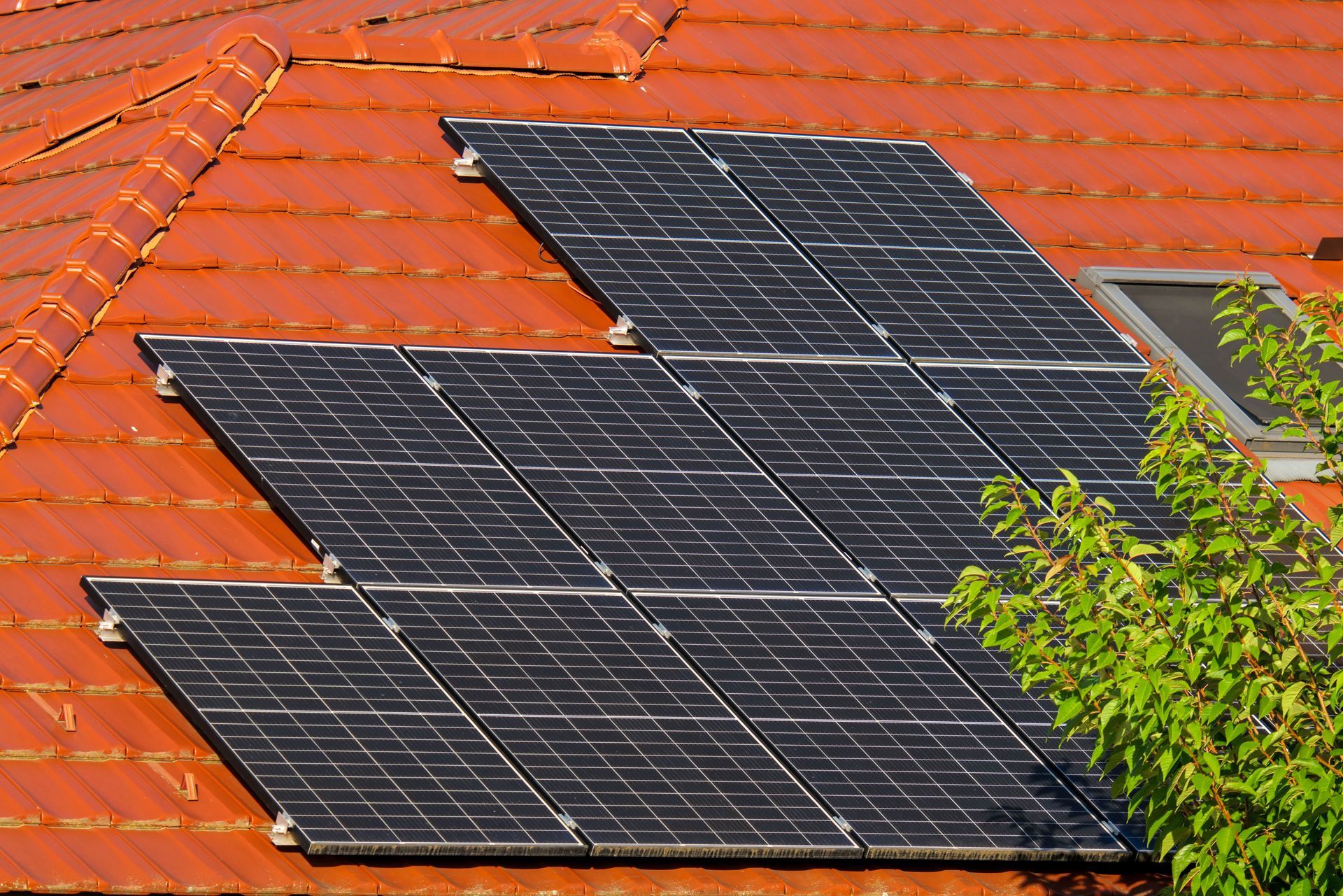
Proper DC wiring and grounding determine whether a solar installation operates safely or creates fire and shock hazards. AA Electric Contractors handles the electrical integration for residential and commercial solar panel systems across Warrenville, Aurora, and Chicagoland—routing DC cables from panels to inverters, installing disconnect switches, and connecting AC output to the service panel with correct breaker isolation and permitting. Solar adoption is growing across the metro, but the electrical work requires master-level familiarity with both DC and AC code requirements that differ significantly from standard residential wiring.
The master electrician sizes and routes DC wiring from the roof array to the inverter location using OEM cable rated for outdoor exposure and UV resistance, installs the required disconnect switches for emergency isolation, and integrates the inverter's AC output into your existing service panel with proper breaker sizing. The electrician also confirms grounding meets code to prevent lightning damage and coordinates all required permits and inspections with the utility and local building authority.
Schedule a property evaluation to assess roof access, panel capacity, and optimal inverter placement for your installation.
What Changes After Interconnection Completes
DC wiring must be run in conduit where exposed and properly supported to prevent cable sag or chafing that leads to insulation failure. The disconnect switch allows you or emergency responders to de-energize the system instantly—it's required by code and must be accessible and clearly labeled. Inverter output connects to the panel through a dedicated breaker that feeds backward into the bus, allowing solar power to offset grid consumption during daylight hours.
After interconnection approval, your meter begins running backward when solar production exceeds household consumption, and you'll see reduced grid draw on sunny days. The system operates silently, the inverter display confirms production levels, and your electrical panel handles the bidirectional power flow without tripping or overheating. All wiring remains protected inside conduit or junction boxes, and the disconnect switch provides a clear shutoff point.
The electrical scope includes DC and AC wiring, disconnect installation, inverter integration, grounding, and permit coordination. It does not include panel mounting, roof penetration sealing, or racking—those belong to the solar installation crew. The electrician will flag any service panel limitations or required upgrades during the assessment.
Answers to Frequent Solar Electrical Questions
Homeowners and business owners across Warrenville and Aurora typically want clarity on permitting, panel compatibility, and how the utility interconnection process actually works.
What permits are required for solar electrical work in Warrenville?
All solar installations require an electrical permit and utility interconnection approval—the electrician submits both applications and coordinates inspections before the system can be legally energized.
How does the inverter connect to my existing electrical panel?
The inverter's AC output feeds into a dedicated breaker installed in your main panel, allowing solar power to backfeed the bus and offset grid consumption.
Why is DC wiring different from regular household wiring?
DC current does not alternate polarity, so wire insulation and disconnect mechanisms must be rated specifically for DC use to prevent arcing and fire risk.
What happens if my electrical panel is already at capacity?
The electrician may install a sub-panel dedicated to solar output or recommend a service panel upgrade to accommodate the additional breaker—older panels often lack the bus capacity for safe solar integration.
How long does the electrical portion of a solar installation take?
DC and AC wiring, disconnect installation, and inverter integration typically require one to two days, depending on wire run complexity and panel location.
AA Electric Contractors brings master electrician oversight and comprehensive code knowledge to every solar installation across Chicagoland. Arrange a detailed consultation to review your current panel setup and interconnection requirements.